We make carmoving fast & simple

We make carmoving fast & simple
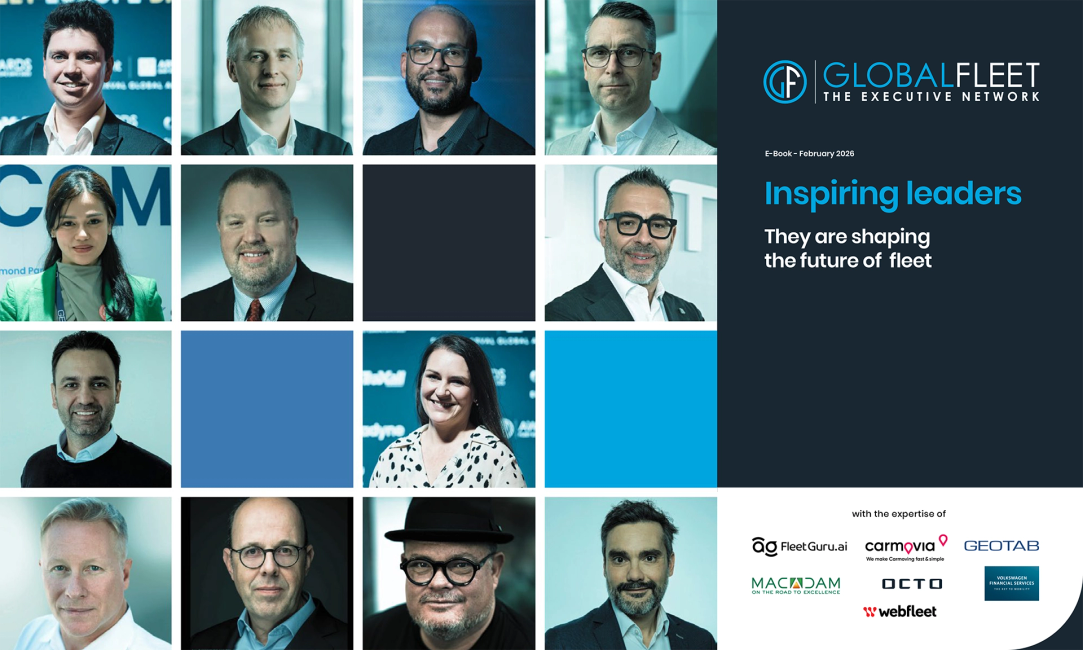
The fleet and mobility industry is undergoing profound change. Digitalisation, increasing complexity, sustainability requirements and rising customer expectations are reshaping how vehicle logistics operates - and how it is led.
The latest Global Fleet eBook “Inspiring Leaders Shaping the Future of Fleet” brings together leadership perspectives from across the industry, focusing not on quick fixes, but on how leaders navigate uncertainty, responsibility and long-term transformation.
One of these perspectives comes from our CEO Umut Dasdemir, who reflects on leadership shaped by entrepreneurship, operational responsibility and continuous transformation.
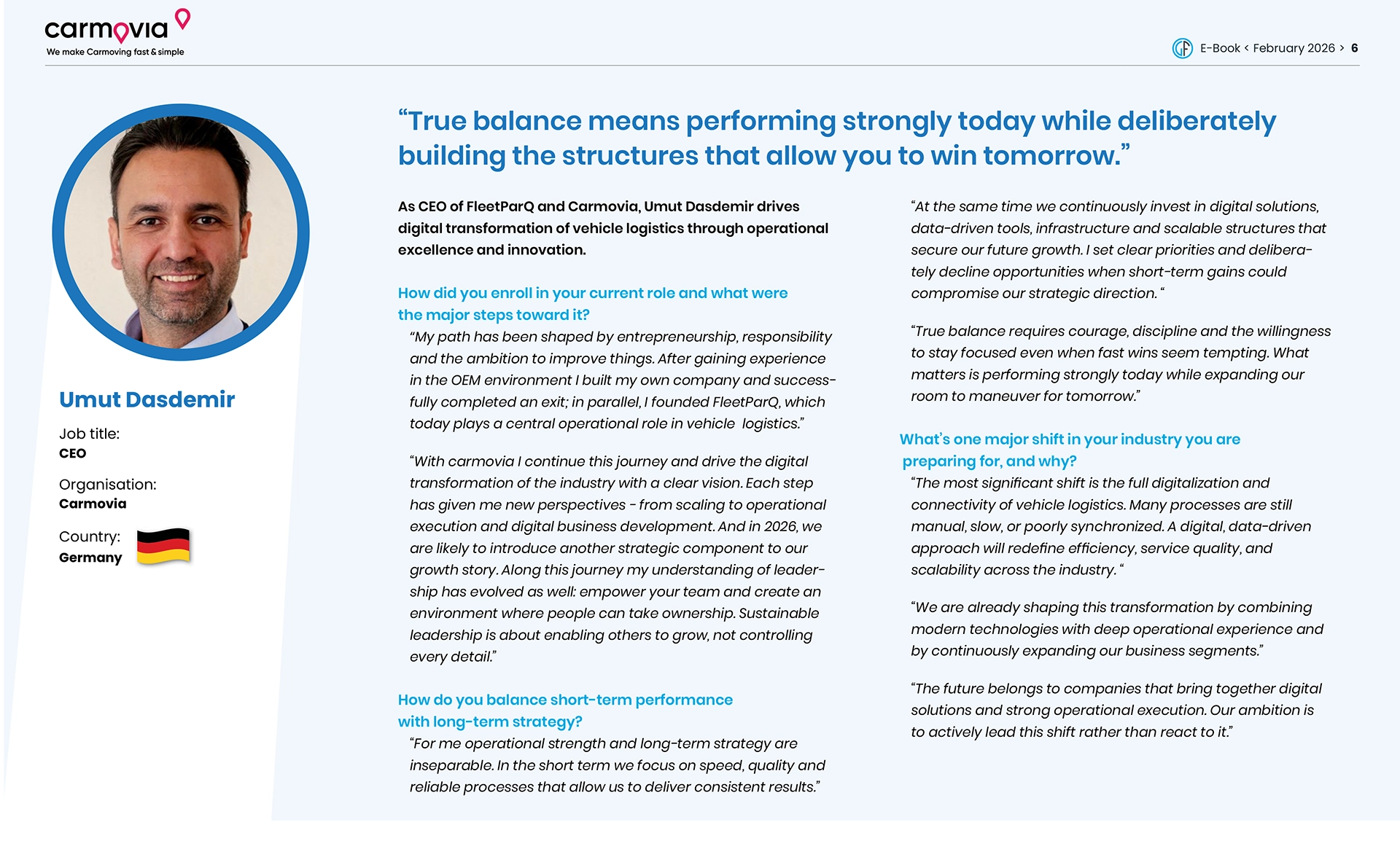
In his interview Umut emphasises that sustainable leadership is not defined by control or hierarchy, but by empowering people and creating environments where teams can take ownership. Leadership, in this sense, is less about managing every detail and more about enabling others to grow and perform at their best.
This mindset becomes especially important in industries like vehicle logistics, where operational complexity and time pressure are part of everyday business. Strong leadership means building trust, clarity and accountability - even when conditions are challenging.
One recurring theme in the interview is the balance between immediate operational demands and long-term strategic direction. According to Umut, this balance is not about choosing one over the other.
“True balance means performing strongly today while deliberately building the structures that allow you to win tomorrow.”
Operational excellence - speed, quality, and reliable processes - is essential to deliver consistent results in the short term. At the same time leaders must continuously invest in scalable structures, digital capabilities and future-ready organisations. This often requires discipline and the courage to decline short-term opportunities that could compromise long-term goals.
Umut also points to one of the most significant shifts facing the industry: the ongoing digitalisation and connectivity of vehicle logistics. Many processes across the sector are still manual, fragmented or poorly synchronised, limiting efficiency and transparency.
Rather than presenting a finished blueprint, the interview highlights digitalisation as a strategic direction - one that will redefine efficiency, service quality and scalability over time. The key challenge for leaders is not only adopting new technologies, but aligning digital progress with strong operational execution and people-centric leadership.
“The future belongs to companies that bring together digital solutions and strong operational execution.”
What stands out in the interview is the understanding of leadership as an evolving journey. Experiences across entrepreneurship, scaling businesses and operational execution have shaped Umut’s perspective — reinforcing the idea that leadership grows through responsibility, reflection and adaptability.
In an industry facing constant change, this mindset becomes a critical success factor. Leaders are required to make decisions under uncertainty, stay focused amid fast wins and distractions and build organisations that are resilient, scalable and future-ready.
The Global Fleet eBook offers a collection of leadership reflections like these - not as definitive answers, but as thoughtful insights into how leaders approach transformation, complexity and responsibility in fleet and mobility.
For anyone interested in leadership perspectives shaping the future of fleet and mobility, the eBook is well worth reading.
The fleet and mobility industry is undergoing profound change. Digitalisation, increasing complexity, sustainability requirements, and rising customer expectations are reshaping how vehicle logistics operates — and how it is led. The latest Global Fleet eBook “Inspiring Leaders Shaping the Future of Fleet” brings together leadership perspectives from across the industry, focusing not on quick fixes, but on how leaders navigate uncertainty, responsibility, and long-term transformation. One of these perspectives comes from our CEO Umut Dasdemir, who reflects on leadership shaped by entrepreneurship, operational responsibility, and continuous transformation.
Read
VAD represents the interests of independent automotive retail in Germany and is committed to creating future-oriented framework conditions for the industry. Key focus areas include digitalization, new sales models, sustainability, regulatory and political frameworks, and the continued development of mobility for the future. As a digital partner for car transport, vehicle transport, and automotive logistics, carmovia sees it as a clear objective to actively support these interests. Efficient, transparent, and flexible vehicle transport solutions are a critical building block for a competitive automotive retail sector — from factory logistics to delivery at the final destination. The automotive trade faces major challenges: increasing logistical complexity, growing cost pressures, digitalization, and changing market demands. Efficient, transparent, and flexible vehicle transport is a crucial success factor. As a digital freight forwarding and dispatching partner for commercial vehicle transport, carmovia supports car dealerships, dealer groups, and fleet operators throughout Europe. The partnership with the VAD (Vehicle Distribution Center) is a logical step for us to collaborate even more closely with the automotive trade and further develop practical solutions.
Read
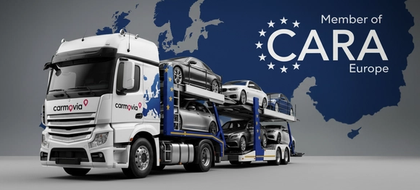
carmovia becomes a member of CARA Europe, advancing digital vehicle transport, remarketing standards, and collaboration across the European automotive ecosystem.
Read